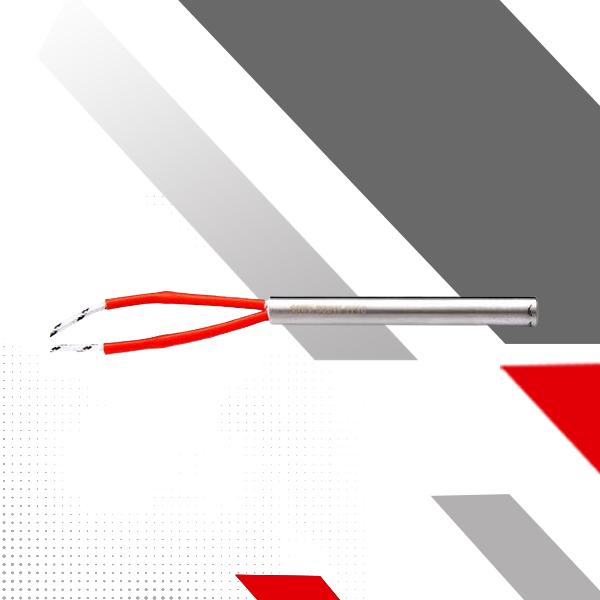
Cartridge heaters are among the most versatile electric heating elements in industrial use. They fit snugly into drilled holes and provide concentrated, precise heat to dies, moulds, platens, and tooling. Choosing the wrong specification leads to premature failure, inconsistent temperature, or safety hazards. This guide walks you through every selection parameter.
Step 1: Define Your Watt Density Requirement
Watt density — expressed in W/cm² or W/in² — is the single most critical parameter. It determines how aggressively the heater pushes heat into the surrounding material.
- Low watt density (up to 15 W/cm²): Use for plastics, food processing, and applications where the heater may occasionally run dry. Longer element life.
- Medium watt density (15–30 W/cm²): Suitable for steel dies, aluminium platens, and close-fitting applications with good thermal contact.
- High watt density (30–60 W/cm²): For fast-response requirements in injection moulding hot runners and precision tooling. Requires excellent hole fit (±0.05 mm tolerance recommended).
Step 2: Select the Correct Diameter and Length
Cartridge heaters are available in diameters from 6.35 mm (1/4") to 25.4 mm (1"). The drilled hole should have an H7 tolerance fit for maximum heat transfer. A loose fit creates an air gap that insulates rather than conducts, causing the heater to overheat internally.
Length affects total wattage at a given watt density. For a fixed watt, a longer heater has lower watt density — better for life expectancy.
Step 3: Choose the Sheath Material
- Stainless Steel 304: General-purpose — dies, moulds, packaging machinery.
- Stainless Steel 316: For mildly corrosive environments or food-contact applications.
- Incoloy 800: High-temperature applications above 650°C; better oxidation resistance.
Step 4: Select Lead Wire Type and Length
Leads must withstand the ambient temperature at the connection point, not just the process temperature. Options include:
- Fibreglass-insulated nickel wire: For ambient temperatures up to 450°C — the most common choice.
- Stainless steel armoured leads: For harsh environments where lead damage is a risk.
- High-temperature PTFE leads: Up to 260°C, suitable where flexibility is needed.
Step 5: Verify Hole Fit and Installation Torque
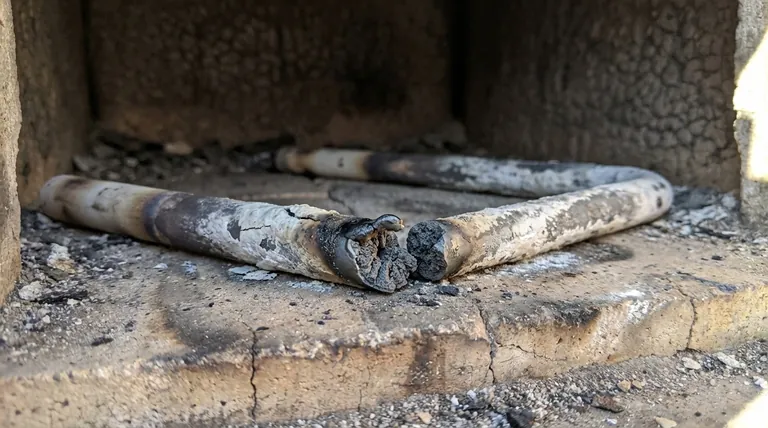
Even the best-specified cartridge heater will fail early if installed incorrectly. A loose fit creates hot spots; excessive installation force can crack the MgO fill. Check the drilled bore with a plug gauge before insertion.
Summary
The ideal cartridge heater specification combines the right watt density for your media, the correct sheath material for your temperature and chemical environment, and leads rated for the ambient temperature at the terminal. Sri Ambika Heat Products manufactures cartridge heaters in all standard and custom specifications with tolerances to ±0.05 mm on diameter.