Industrial heating can account for 30–60% of total energy consumption in manufacturing facilities. Even modest improvements in heating efficiency translate directly into lower operating costs and reduced carbon emissions. This article presents proven strategies implemented across plastics, food, and chemical processing plants.
1. Audit Your Current Heating System
Before optimising, measure. Install energy meters on each heating zone and log consumption over a full production cycle including idle periods. Common findings:
- Heaters cycling at full power during non-production hours
- Degraded elements drawing higher current to maintain setpoint
- Zones running unnecessarily hot due to uncalibrated thermocouples
2. Upgrade to PID Temperature Controllers
On-off (bang-bang) controllers create temperature swings and overshooting that waste energy. A properly tuned PID controller with SSR (solid-state relay) output reduces temperature deviation to ±1–2°C, eliminating excessive heating cycles. Payback period is typically 6–18 months.
3. Insulate Heater Zones
Bare barrel surfaces radiate significant heat to the environment. Barrel insulation jackets (ceramic fibre or mineral wool with aluminium cladding) reduce surface heat loss by 40–70%:
- Faster heat-up from cold start
- Lower steady-state heater duty cycle (%)
- Reduced ambient temperature in the machine room
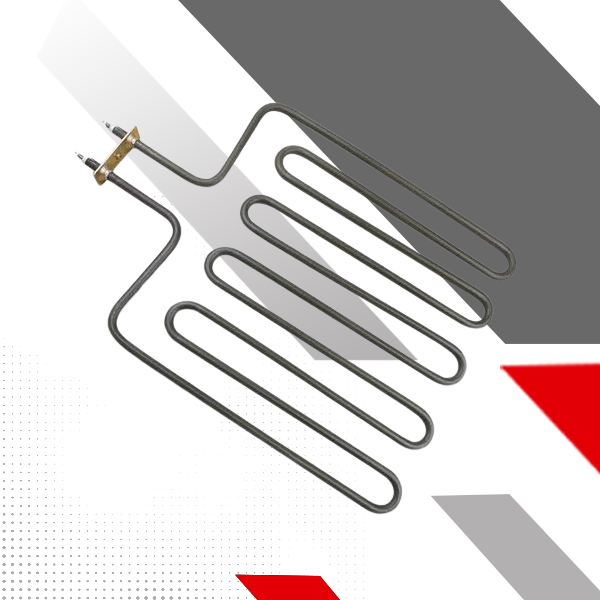
For immersion heaters in tanks, ensure the tank itself is insulated and covered when not actively processing.
4. Match Watt Density to Application
Oversized heaters (excessive wattage for the load) cycle on and off rapidly, increasing contact resistance wear on switches and causing temperature instability. Size heaters at 110–120% of calculated requirement — not 200%.
5. Implement Setback Temperatures
During breaks, tool changes, and overnight shutdowns, reduce zone setpoints to a "soak" temperature (typically 50–80°C below process setpoint). Modern temperature controllers support programmable profiles. This alone can cut idle heating energy by 25–40%.
6. Replace Degraded Heating Elements Proactively
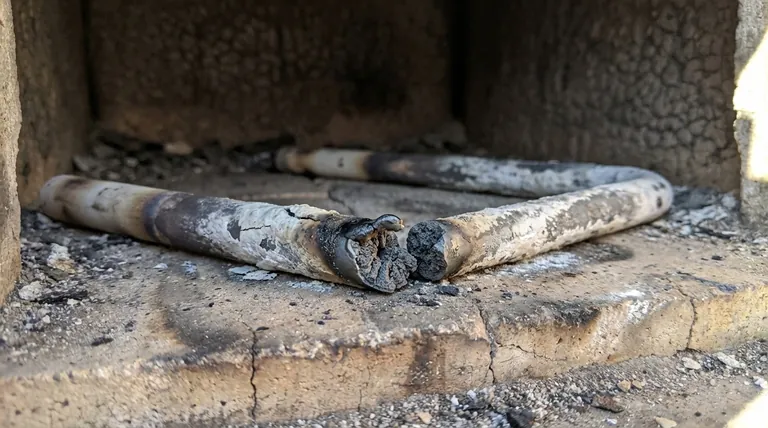
Ageing heating elements have increased resistance, drawing more current for the same heat output and stressing the power supply. Establish a preventive replacement schedule based on operating hours and electrical resistance testing — do not wait for failure. A programme of planned replacement is almost always more cost-effective than emergency downtime.
Summary
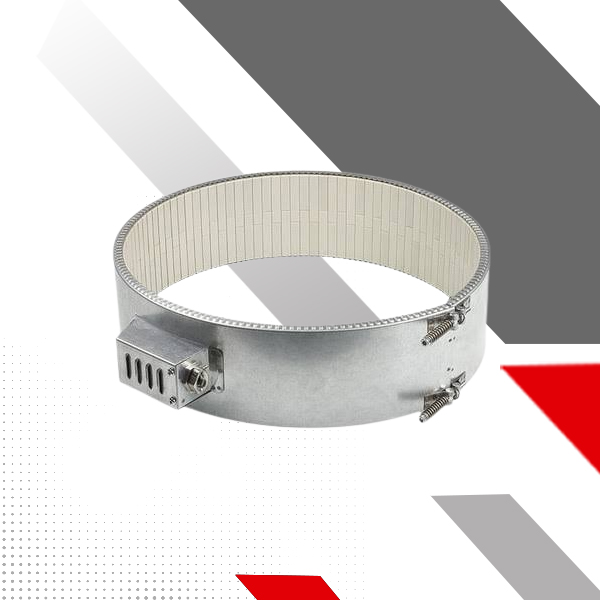
A systematic approach combining energy auditing, PID control upgrades, insulation, and preventive maintenance typically delivers 15–35% energy savings. Sri Ambika Heat Products offers energy-efficient cartridge, band, and immersion heaters designed for modern PID-controlled systems with low thermal mass and optimised watt density.